
Mechanical Design & Tooling
Do you operate in extreme temperatures? Intrinsically safe environments? High vibration and shock? Does your application require potting?
Our Battery Mechanical Design Engineers can deliver full design solutions including Solidworks models, 3D printed prototypes, tooling and enclosures.

Electrical Design
Does your device have an inrush current? Do you have high-power needs or long run-time? Do you need a charger?
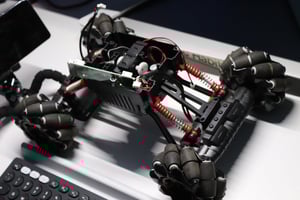
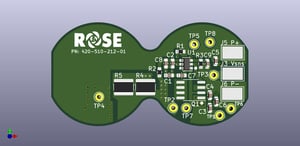
Smart Boards & Fuel Gauges
We design smart boards and chargers with fuel gauges. Chipsets include Texas Instruments (TI), Linear Technology and Analog Devices.
Fuel Gauge Chipsets include: Bq20z45, Bq20z50, Bq20z80, Bq27200, Bq27532, Bq40z60, Bq40z50, Bq28400, Bq27541, Bq27545, Bq27731, Bq27441, Bq27742, Bq28400, Bq28z610
Charger Chips: MAX17703, BQ24735
Supercap Buck/Boost Chipsets: MAX17703, LTC4041
Low Quiescent: MAX17300, MAX17332
Cell Selection
Our cell chemistry experts can help you select the right cell for your application. We have access to proprietary datasets on cell performance and can conduct tests in our battery lab.
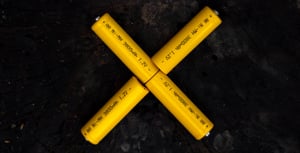
UN 38.3 Transportation & Safety Testing
Our Battery Regulation Experts can help you determine which certifications you need and can lead the certification process. Certifications include:
U.N DOT 38.3 Transportation Safety • IEC 62133 • UL 2054 • UL1642 • FCC Part 15 Subpart A • Battery Failure Analysis


We get it right. On time, the first time.
Our engineers are battery experts with over a decade of design experience for high-reliability applications
How can we help you?
As engineers helping engineers, we want to simplify your life. We're happy to provide a thirty-minute consultation.
Get in touch with our team to learn more about building a custom battery pack. Fill out the form at the link below and our team will be in touch.

Browse our range of standard battery packs, ideal for engineering evaluation, product development, proof of concept, and low-volume applications.
